









Join The Movement!
Join our network of values-led businesses and changemakers championing people, planet & prosperity.

Help Expand Our Movement
In this pivotal moment for our planet and its people, VBSR is committed to bringing new voices and greater access to our movement through the Expanding Our Movement Fund.
Amplify Your Impact Through Sponsorship
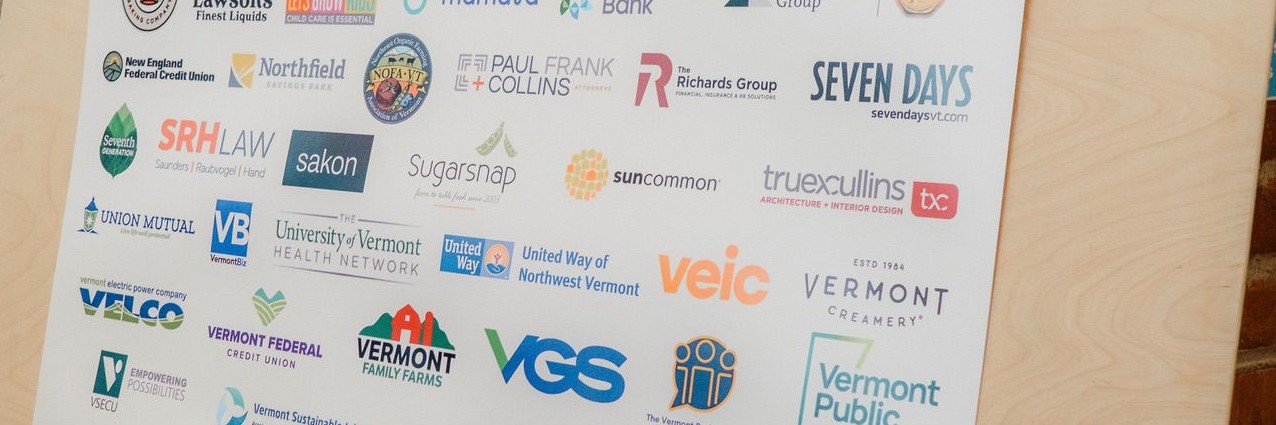
Spotlight your organization's dedication to our mission – and gain visibility with VBSR's network.
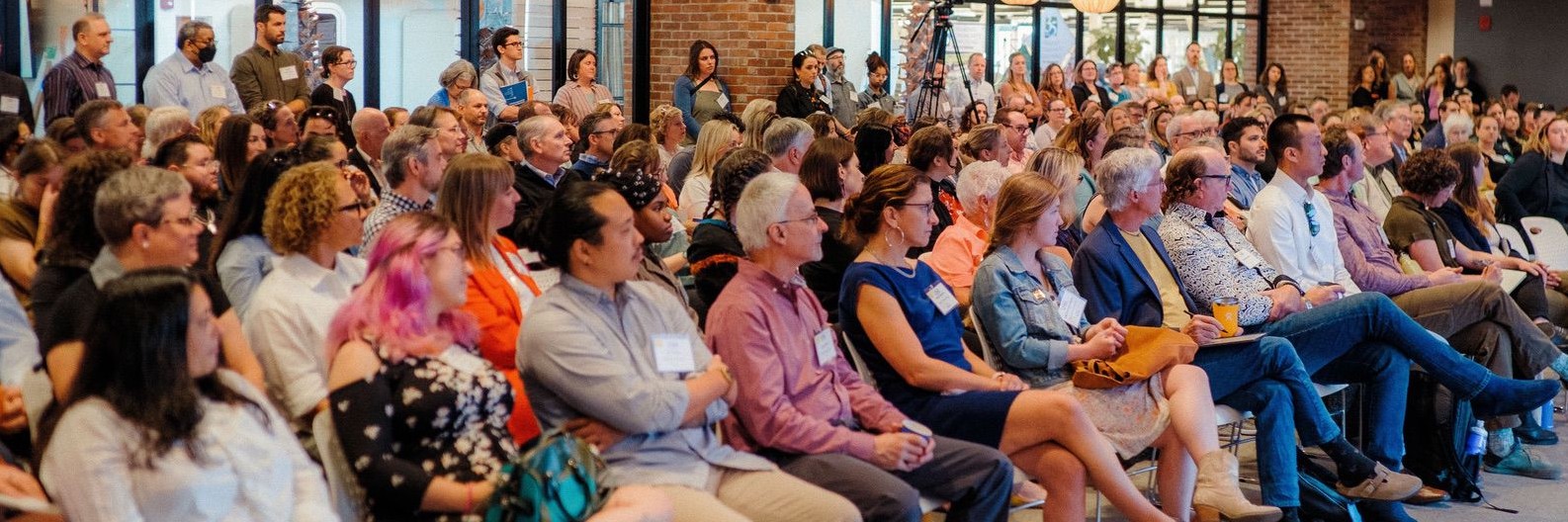
34th Annual VBSR Conference
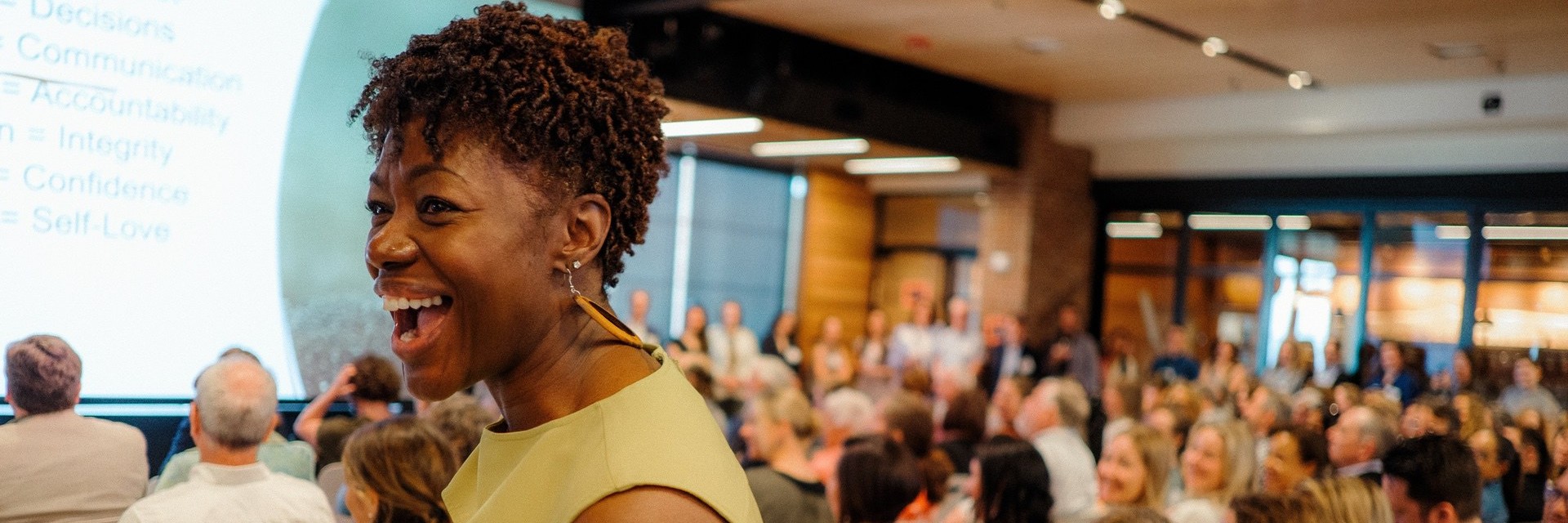
Join us for one of Vermont’s largest and most anticipated business events of the year. The future of our state and our businesses is IN OUR HANDS.
Why VBSR?
Vermont Businesses for Social Responsibility (VBSR) is a statewide, nonprofit business association with a mission to leverage the power of business for positive social and environmental impact. For over 30 years VBSR has championed “business as a force for good” through education, networking, advocacy and thought leadership.
We are Vermont’s network of students, entrepreneurs, sole proprietors, small businesses, largest employers, policymakers, advocates, nonprofit organizations and inspired individuals – collectively working toward a just, thriving and transformative economy that works for all people and the planet.
Champion Members
VBSR Champions are corporate social responsibility icons. Brands around the globe look to Vermont industry leaders to learn how to lead successful businesses in a way that is good for their people and good for the planet, and these companies lead the way.
VBSR is one of the only places to get a comprehensive education on both the theory and practice of being a values-led business.
— Liz Schlegel, Champion Member The Alchemist

VBSR’s proven track record at the statehouse helps put our values into impactful, progressive public policy.
— Sascha Mayer, Champion Member Mamava

I encourage those interested in expanding personal awareness, belief systems and business expertise to take advantage of VBSR’s programming.
— Karen Lawson, Lawson’s Finest Liquids

We know how critical the business voice is – and how much influence is has. And particularly in Vermont it's become commonplace for companies to have a strong sustainability programs. Advocacy like VBSR’s is the next horizon for that.
— Kate Ogden, Seventh Generation

VBSR Events
Attend this unique event on April 23, 2024, to understand the economic and social impacts of the arts in Vermont, presented by VBSR and The Stone Church.
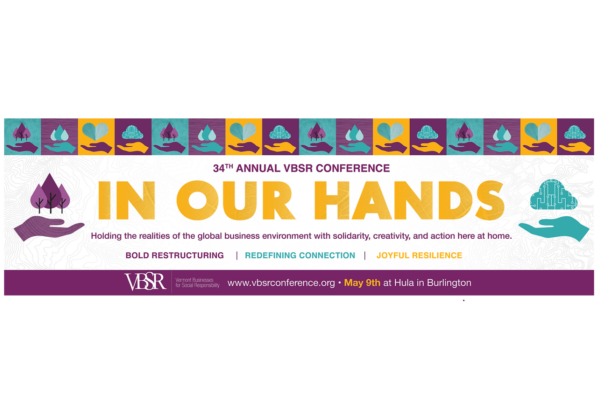
Be part of VBSR's 34th Annual Conference on May 9, 2024, at Hula Lakeside, Burlington, VT. Explore sustainable business practices and network with like-minded professionals.
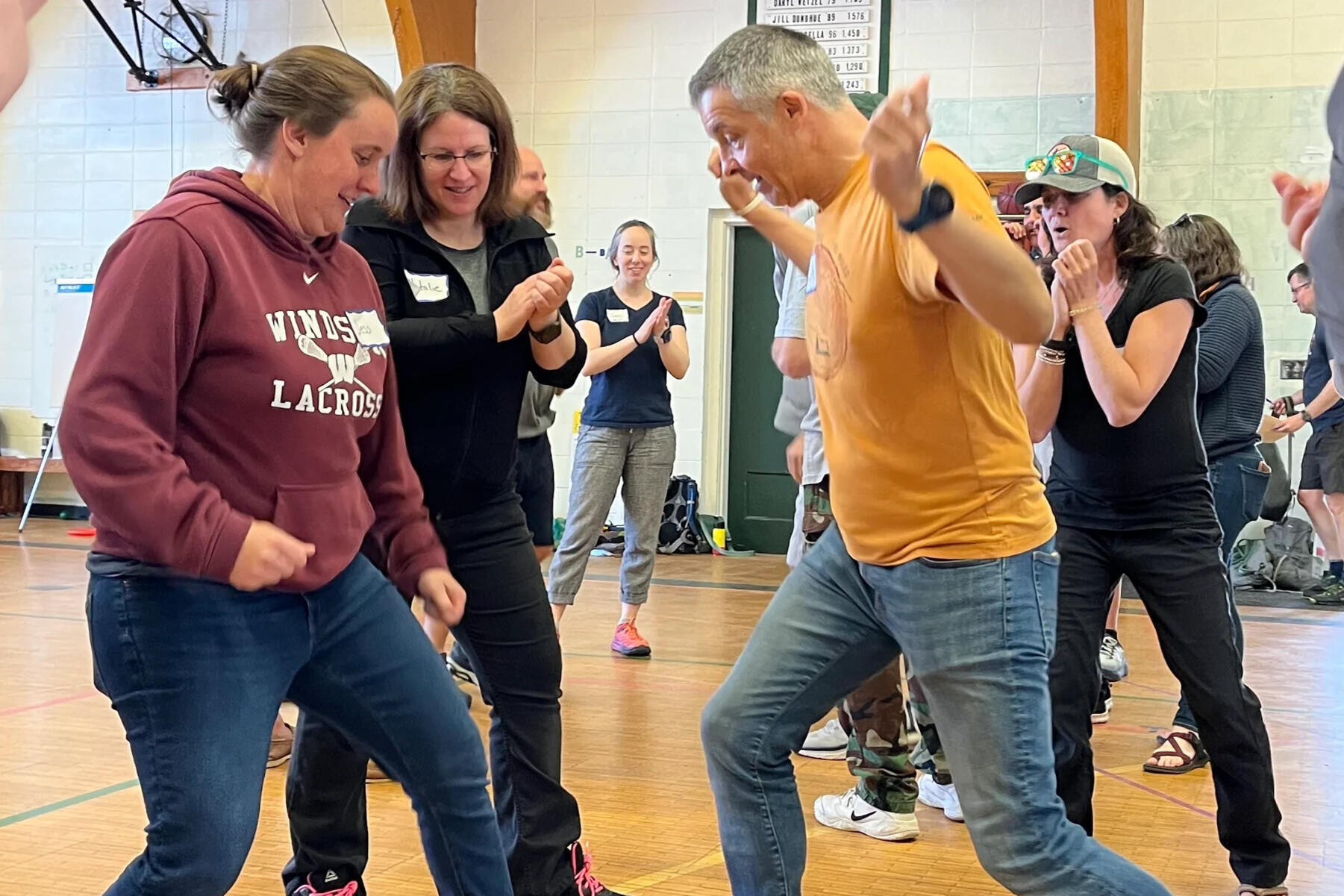
Connect and grow at the High 5 Adventure Symposium, Brattleboro, VT. Experience dynamic workshops and expert panels. Book now for a transformative educational journey!

Discover the benefits of employee ownership at the VEOC 2024 in Burlington on May 31st. Join us for workshops, discussions and networking opportunities that will transform your business. Register now!
Learn to navigate the complexities of fair wages and benefits in our insightful webinar with Paul Eldrenkamp. Perfect for socially responsible businesses.
VBSR News
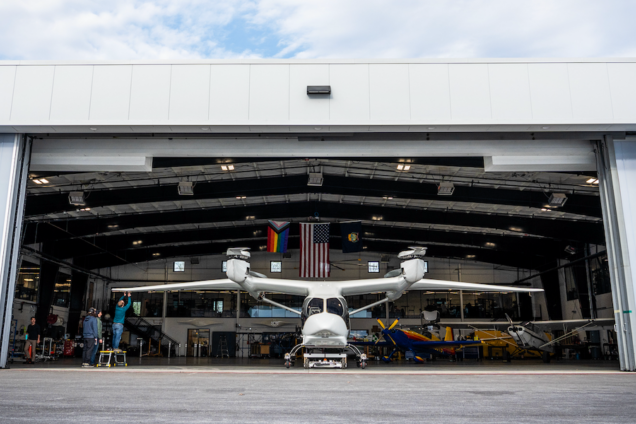
Explore the latest from VBSR members: Beta Technologies advances green aviation, Burlington's new park project nears completion, ClimateReadyVT aids small businesses, UVM pushes for forest protection, NOFA-VT advocates in DC and local nominees for the James Beard Awards.
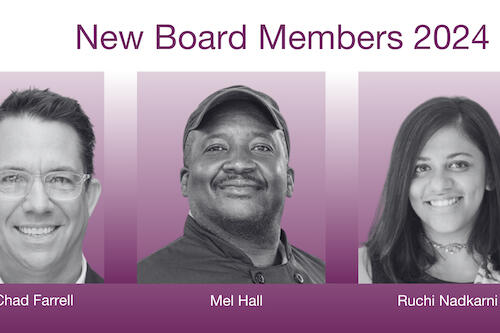
Learn about the four new board members at VBSR and how their unique perspectives will drive social and environmental change in Vermont.
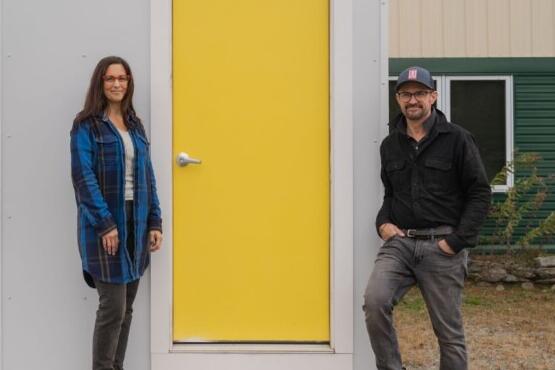
Explore how VBSR members like Up End This and Lawson's Finest Liquids are making strides in affordable housing and sustainability. Learn about their latest projects and partnerships in our March roundup.