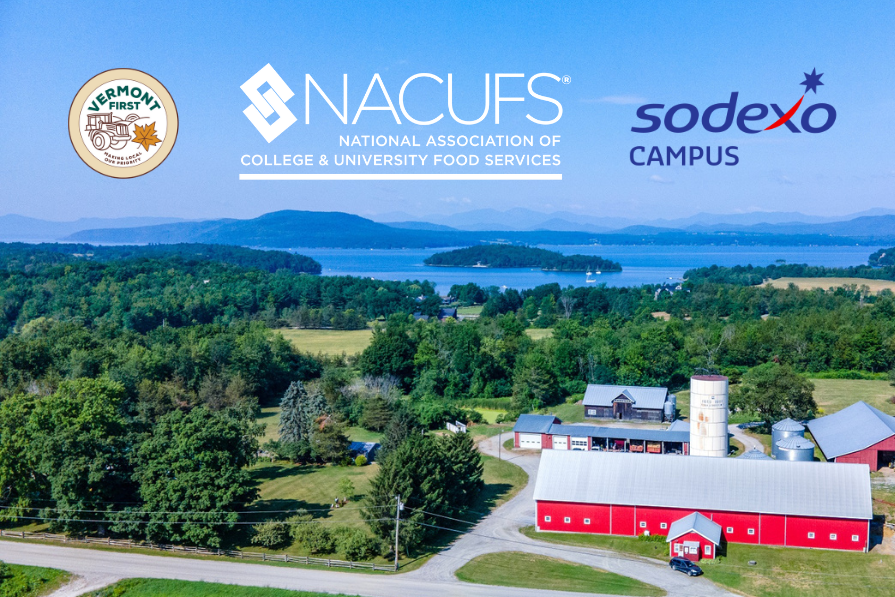
The Intervale Community Barn, 180 Intervale Rd, Burlington, VT 05401
Join VBSR and The Intervale to connect with friends and colleagues and hear from a panel of experts as we discuss trends and predictions for the future of Vermont’s food and farm economy.
Food and agriculture businesses are deeply interconnected with Vermont’s economy, culture and land use. A strong local farm and food sector isn’t just about farmers—it’s about restaurants, grocers, distributors, tourism and manufacturing. Our agricultural heritage is knitted into the fabric of our communities.
VBSR was a lead supporter of the Farm to Plate initiative over 15 years ago. Where has the food and farm economy come since then, and where are we headed? We’ll learn about current trends from some of Vermont’s foremost food system leaders and press them for their predictions on what’s next to come.
Join us on July 10th for VBSR’s end of session virtual forum, “Policy in Action: VBSR’s 2025 Legislative Session Highlights.” Hear first-hand from VBSR’s advocacy allies and member businesses as they share key legislative successes from the 2025 session.
Well-being is so much more than a ‘perk’—it’s a must-have and a strategic priority. Join VBSR and The Richards Group in Session 3 of their three-part series on Workplace Wellbeing, to learn how to move beyond surface-level initiatives and embed well-being into the fabric of your organization.
Join VBSR and The Richards Group in Session 2 of their three-part series on Workplace Wellbeing. This session equips organizational leaders with a practical framework for assessing the effectiveness of their HR, Operations and Administrative Functions in supporting the strategic growth of the organization.
Join VBSR and The Richards Group in Session 1 of their three-part series on Workplace Wellbeing. As individuals navigate shifts in cost of living, state/federal services, and the economy at large, employers can play a critical role to help ensure the financial health of their employees. We will explore resources to help reduce financial stress and enhance both employee satisfaction and overall productivity.
This session will be helpful for anyone invested in supporting and protecting LGBTQ+ people.